For Homes
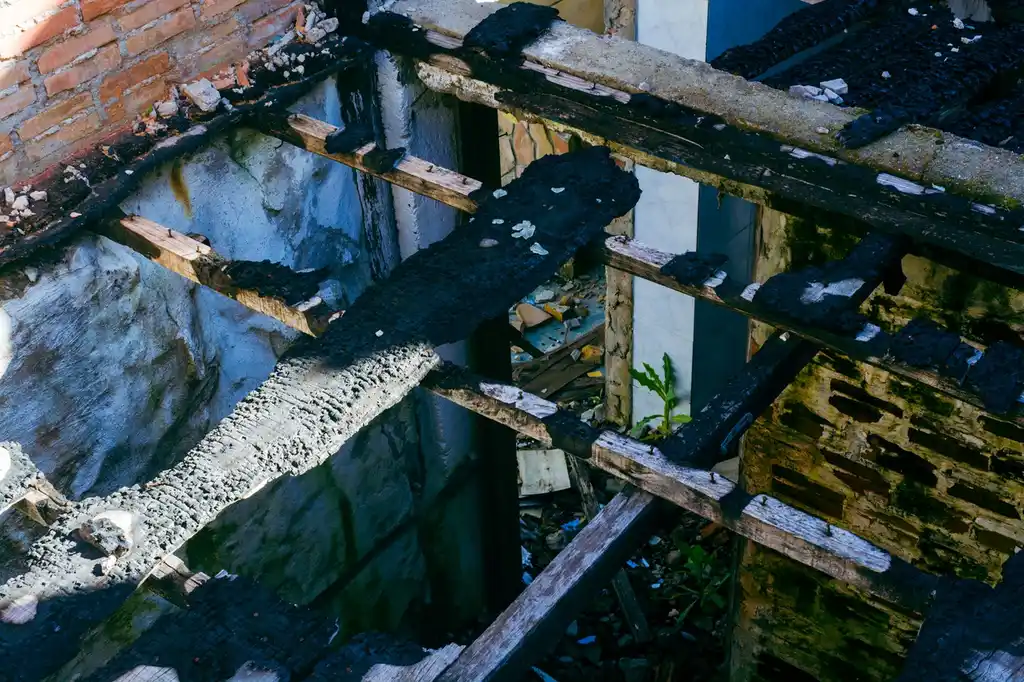
We handle burst pipes, basement flooding, and appliance leaks in Albin homes. We extract water, dry the structure, and repair the damage.
- Burst supply line
- Basement flooding
- Appliance leak
Water Damage Restoration in Albin, Wyoming starts with a phone call and ends with a dry, verified structure. We handle burst pipes, basement flooding, and sewage backups across Laramie County with water damage restoration services Albin WY homeowners can count on. Our crew arrives with extraction units, moisture meters, and thermal imaging cameras to stop the damage from spreading.
 Moisture mappingThermal scanDaily readings
Our standard scope covers emergency response, water extraction, structural drying, antimicrobial treatment, and repairs. We document everything for insurance. Add-ons like mold remediation or full reconstruction are quoted separately if needed.
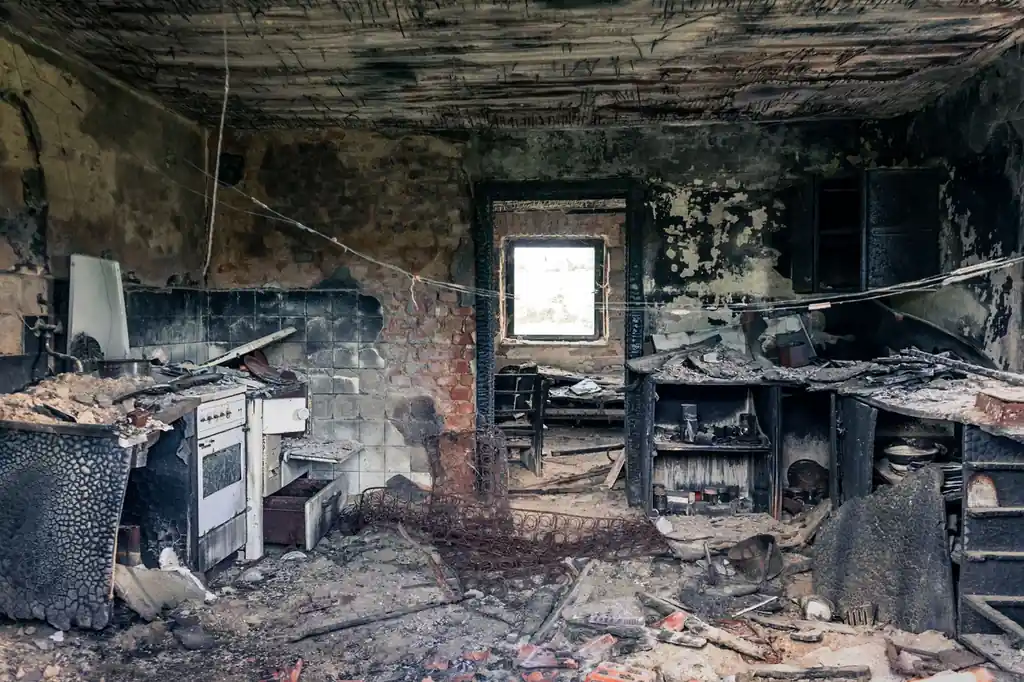
We remove standing water from floors, carpets, and basements using truck-mounted units and pumps. Extraction starts within the first hour on site. This limits how far water wicks into walls and subflooring.
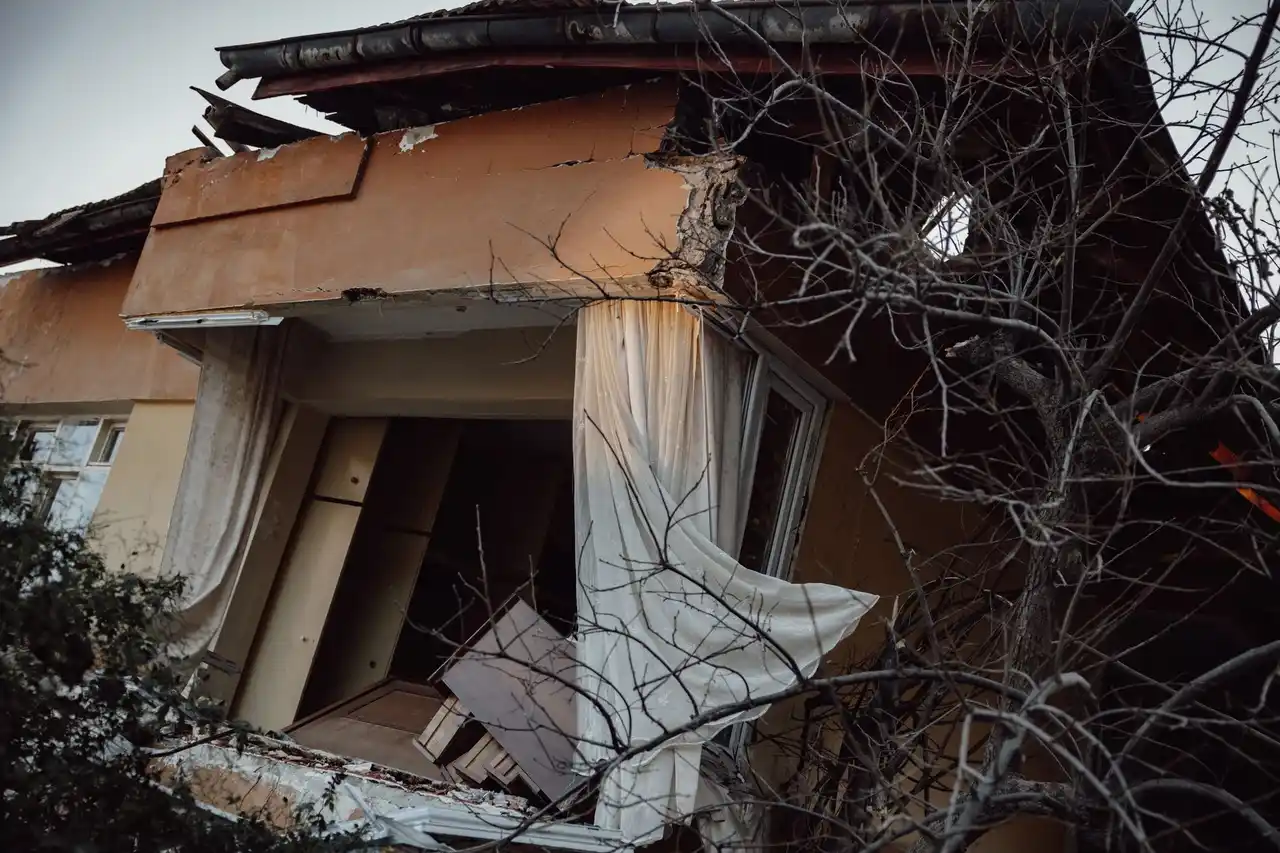
We use moisture meters, thermal imaging cameras, and hygrometers to find hidden water. Daily readings track drying progress. You get a log showing when each material reached dry standard.
Air movers and dehumidifiers run until framing, drywall, and subflooring are dry. We adjust equipment placement based on readings. Desiccants may be used in cool or tight spaces. Drying usually takes 3 to 5 days.
After extraction, we apply antimicrobial treatments to affected framing, drywall edges, and subflooring. This slows mold growth while materials dry. If mold is already visible, we contain and remove contaminated materials.
We remove water-damaged drywall, insulation, carpet padding, and trim. Then we rebuild: new drywall, paint, flooring, and trim. You get a finished space, not just a dried shell.
The approach is the same for a home and a business. What changes is the access, the schedule and who needs the paperwork.
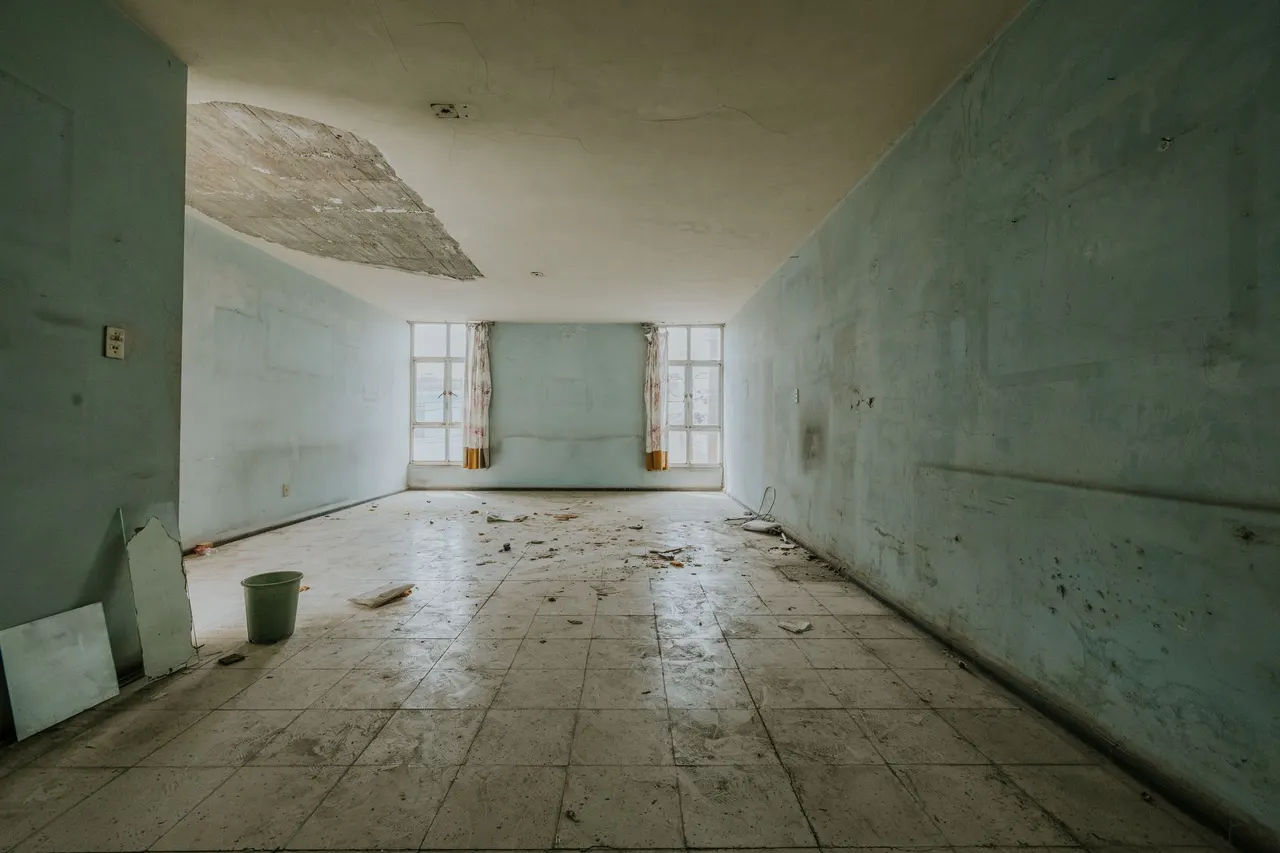
We handle burst pipes, basement flooding, and appliance leaks in Albin homes. We extract water, dry the structure, and repair the damage.
We respond to water damage in Albin commercial spaces and rental units. We minimize downtime and document everything for your records.
A plain-language look at what Water Damage Restoration involves and when it is needed.
See how it worksWater Damage Restoration in Albin is the process of extracting standing water, drying structural materials, and repairing what the moisture ruined. It is not just a shop vac and a fan. We use moisture meters and thermal imaging cameras to find hidden saturation inside walls and under floors, then run dehumidifiers and air movers until readings match a dry standard. When needed, we remove water-damaged drywall, carpet padding, and insulation, apply antimicrobial treatments, and rebuild.
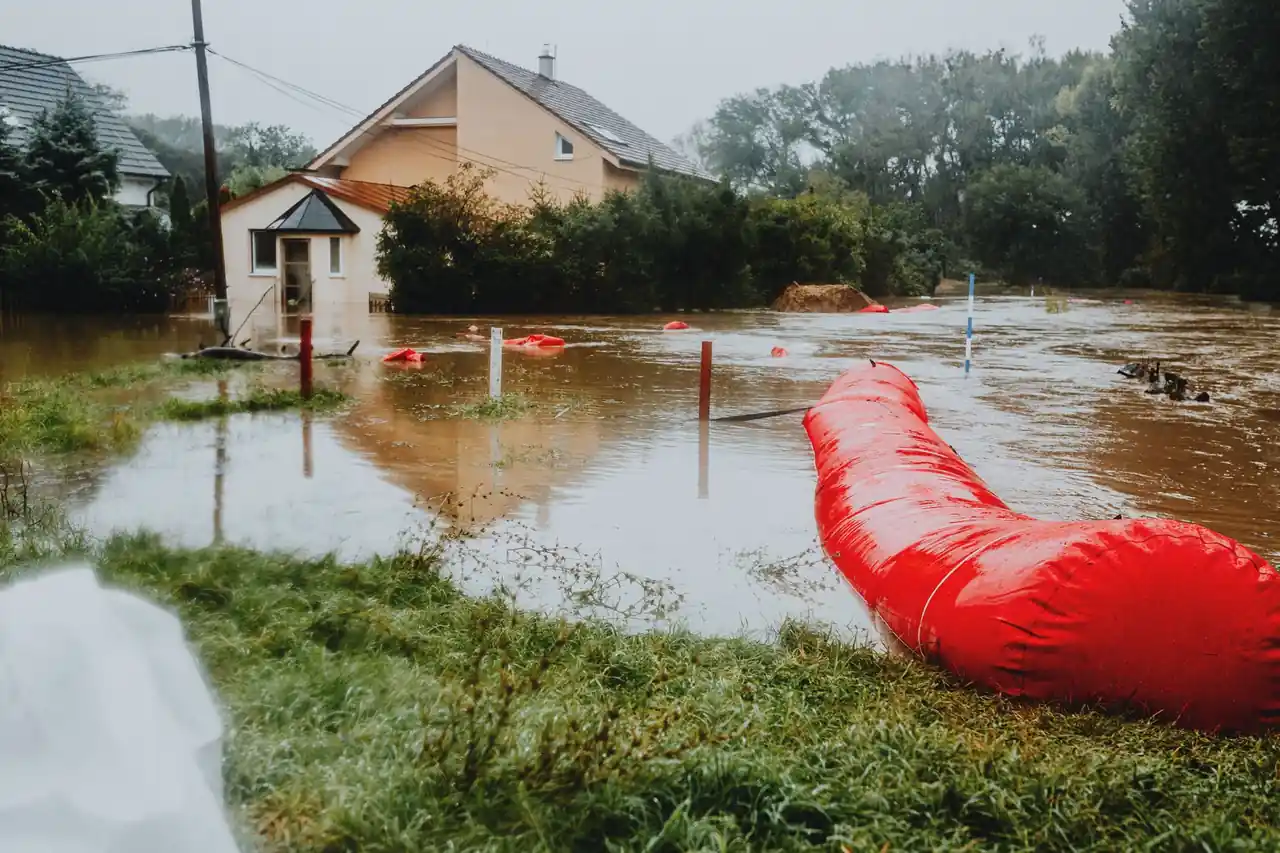
Albin sits in Laramie County where winter cold snaps crack pipes and spring snowmelt pushes water against foundations. We see basement flooding, sump pump failure, and roof leaks from ice dams. We stop the source, extract the water, and start drying the same day.
Water damage restoration removes water, dries the structure, and repairs what the moisture ruined.
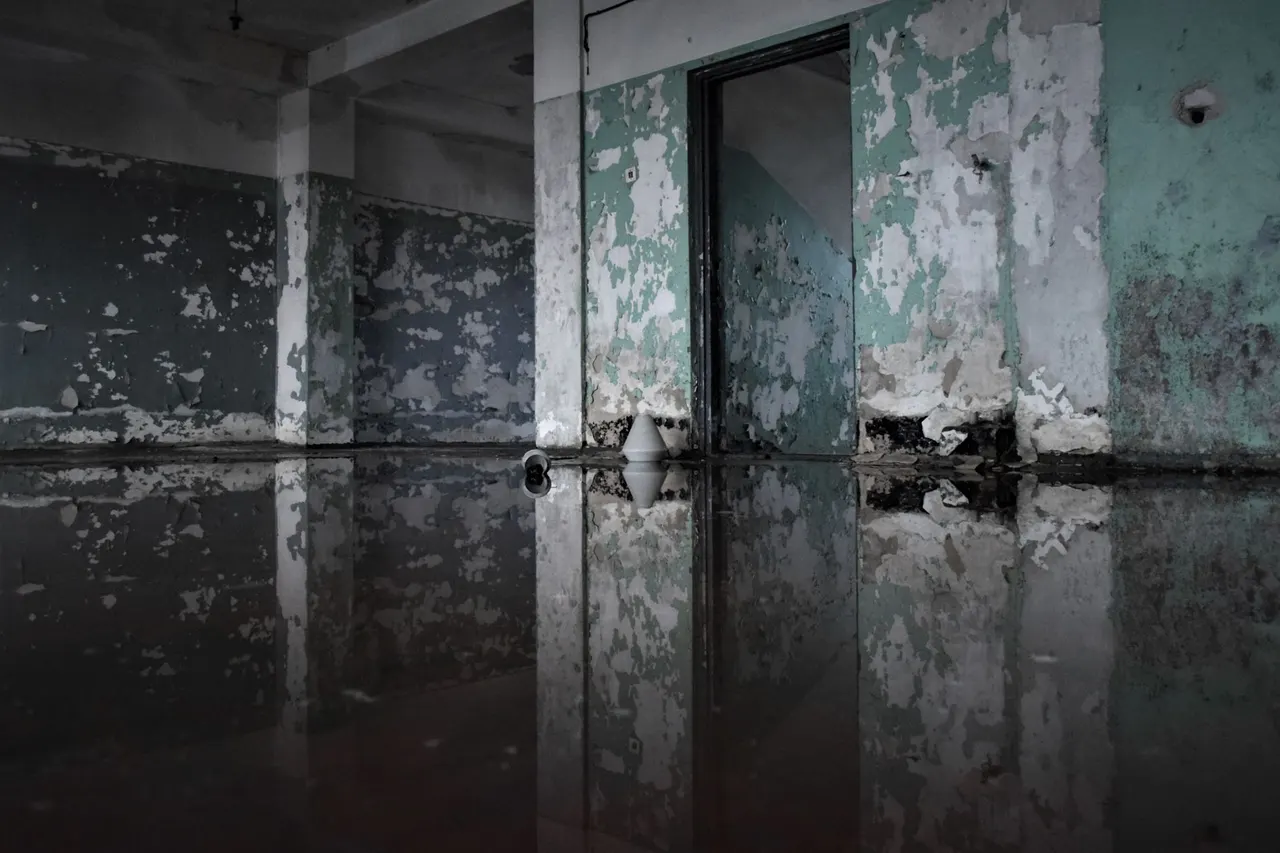
Every job follows the same sequence: stop the water, remove what is wet, dry what stays, verify with meters, and repair the damage. Here is what you experience from the first call to the final walkthrough.
You call, we ask what happened and where the water is coming from. We tell you how to shut off the supply line or gas if needed. A crew is dispatched with extraction equipment and drying gear. You get an arrival window, not a vague promise.
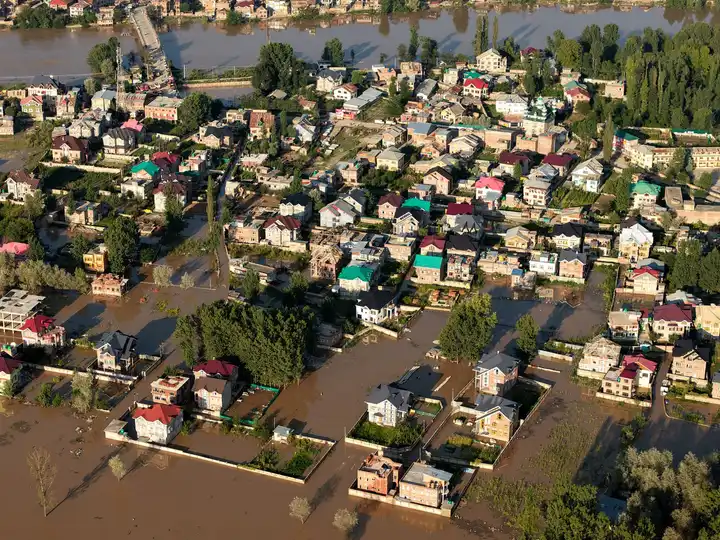
We walk the affected area with moisture meters and a thermal imaging camera to map the water. We check under floors, inside wall cavities, and behind baseboards. You get a written scope of work with photos before we start. This usually takes 30 to 60 minutes.
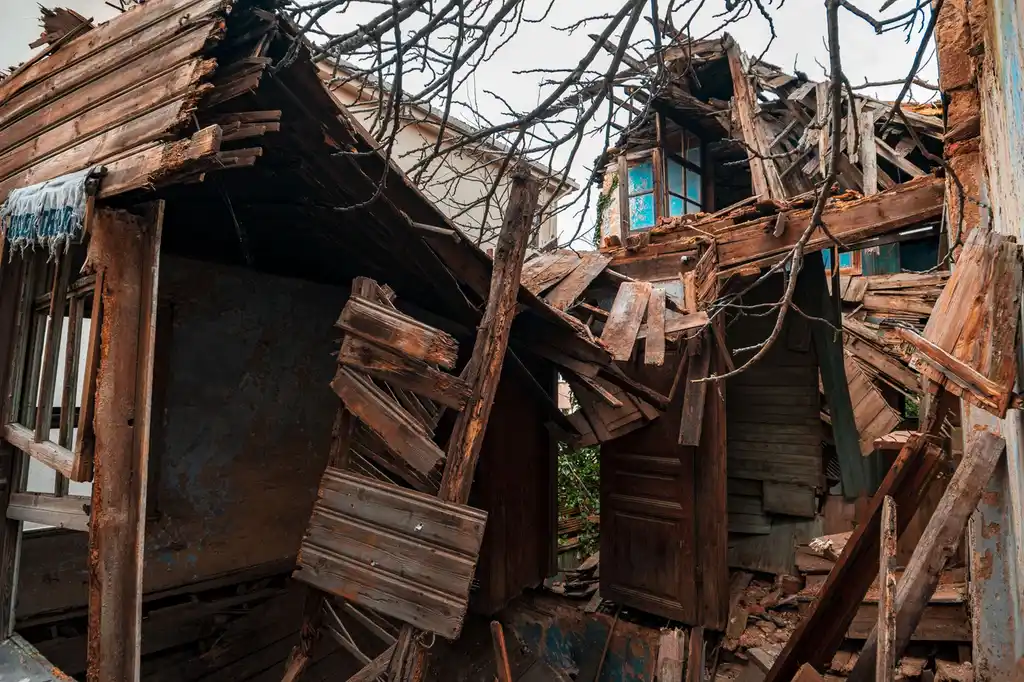
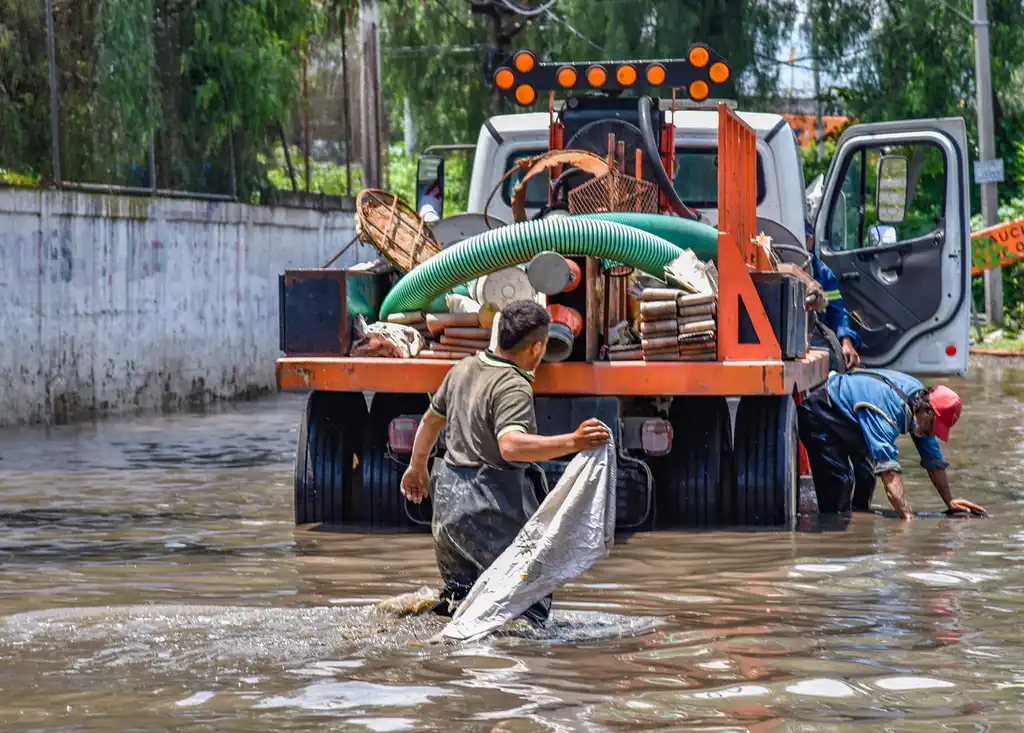
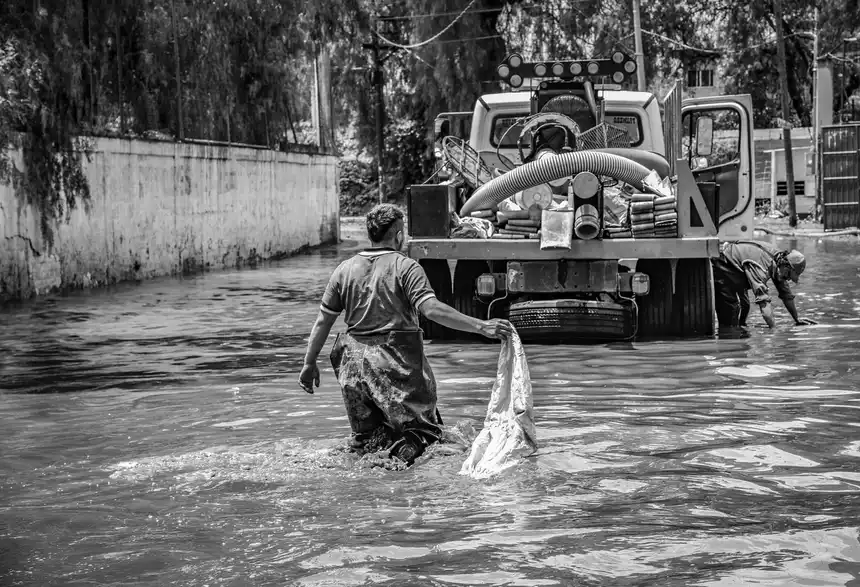
Truck-mounted extraction units and wet/dry vacuums pull standing water from carpet, hardwood, and concrete. For basement flooding, we may use a sump pump or submersible pump first. Extraction typically takes 1 to 3 hours depending on volume.
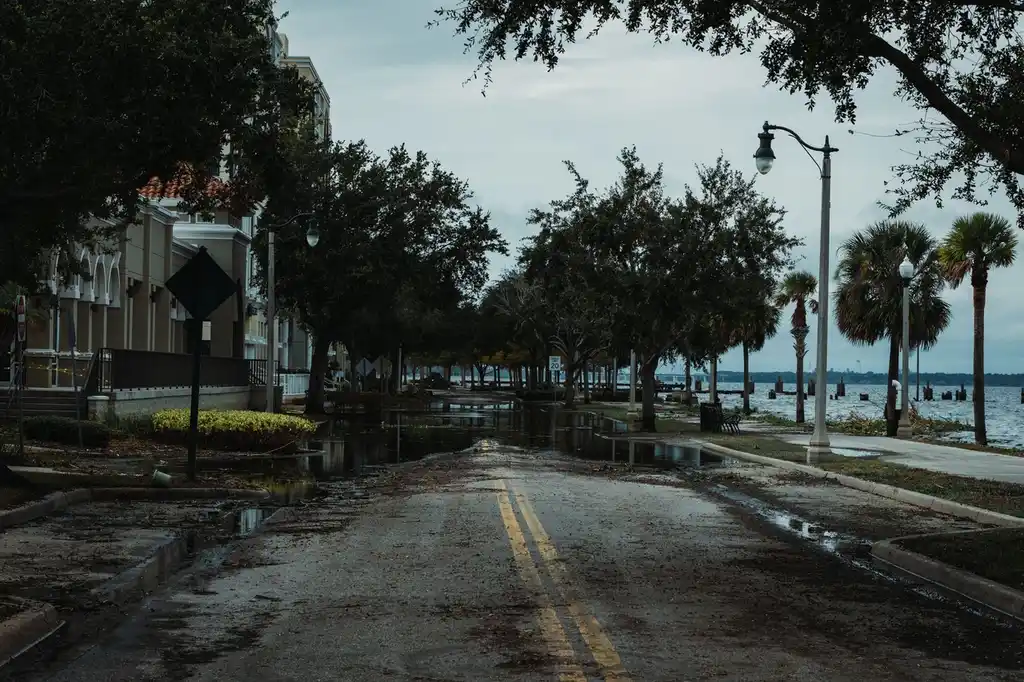
We position air movers and dehumidifiers to create airflow across wet surfaces. Desiccants may be used in tight or cool spaces. Equipment runs 3 to 5 days on average. We check readings daily and adjust until materials reach dry standard.
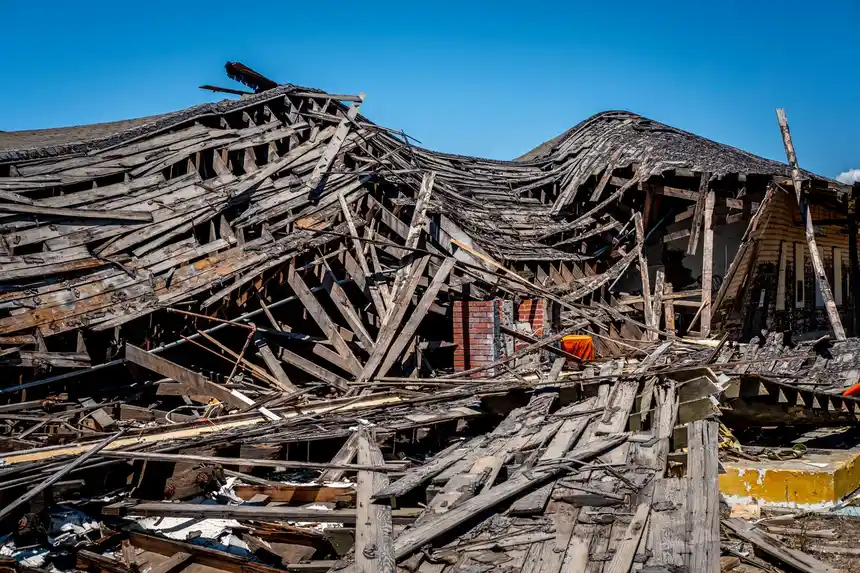
Once dry, we remove damaged drywall, insulation, and flooring, then rebuild. We take final moisture readings and provide a completion report. You walk the job with us before we pack up. Most full projects finish in 7 to 14 days.
Move across a circle, or focus it and press Enter, for an illustrative thermal view of the photograph.
To find hidden water inside walls, ceilings, and floors without tearing everything apart. These tools guide where we place drying equipment.
To pull large volumes of water from carpet, hardwood, and concrete quickly. They remove more water than portable shop vacuums.
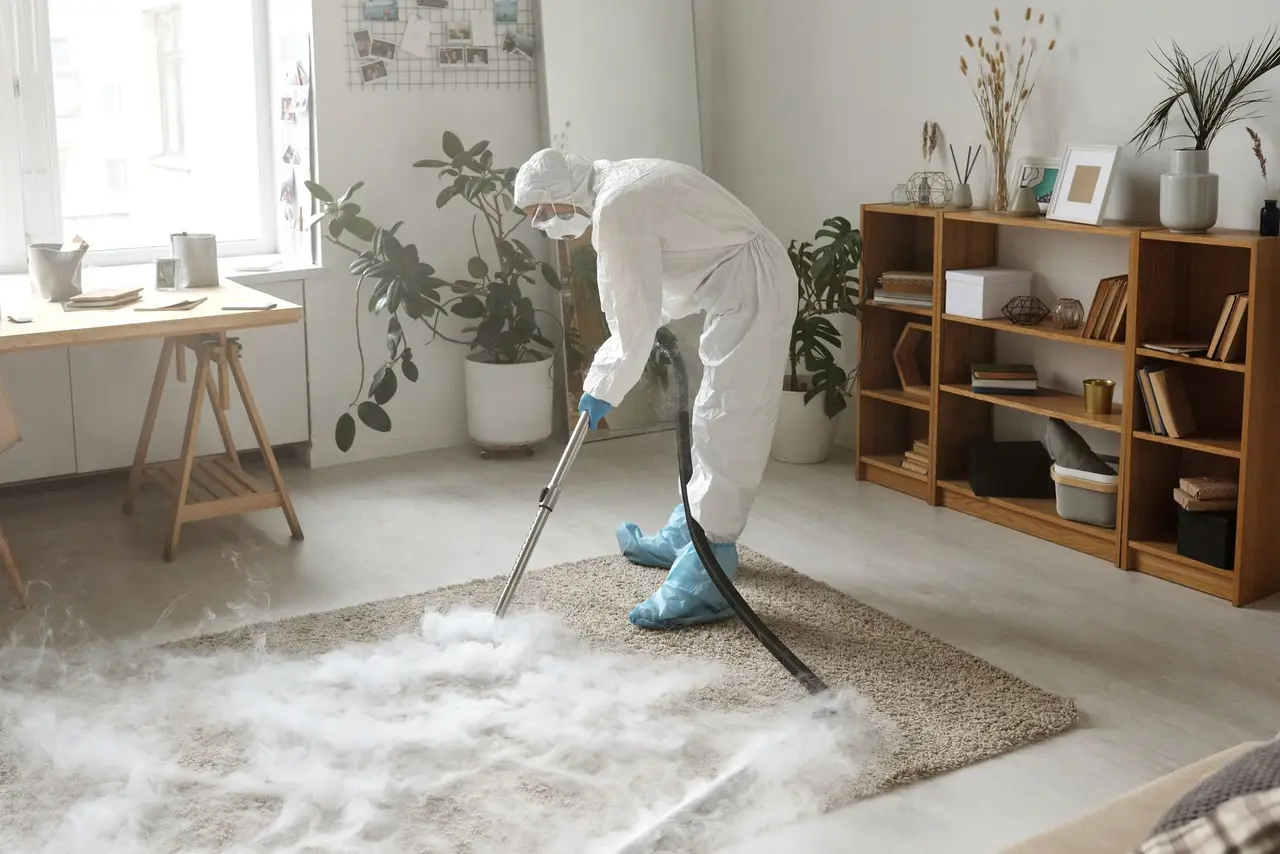
To dry structural materials by moving air across wet surfaces and removing moisture from the air. We use Dri-Eaz and Phoenix Restoration Equipment.
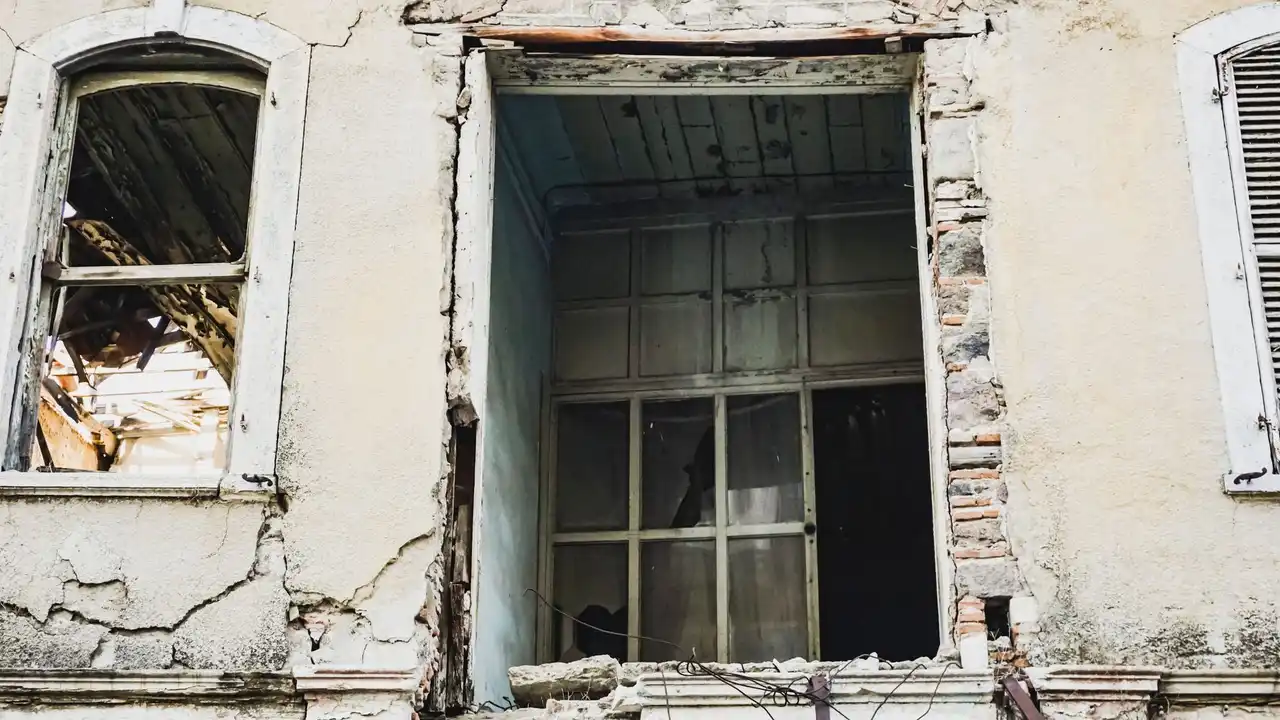
To dry tight or cool spaces where standard dehumidifiers are less effective. Desiccants pull moisture from the air using a drying wheel.
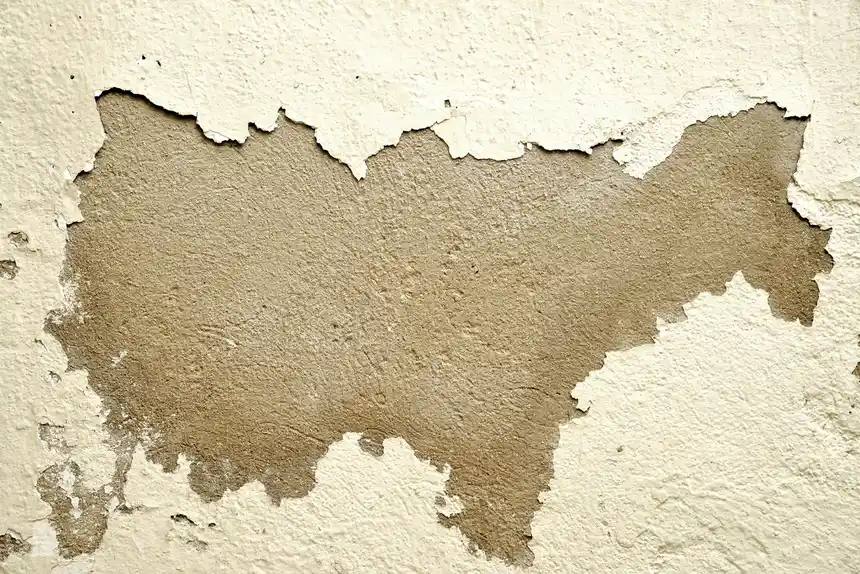
To contain work areas and slow mold growth on wet framing, drywall, and subflooring. Containment keeps dust and spores out of clean areas.
Thermal views are illustrative, generated from the photographs.
To remove standing water from basements and crawlspaces. We use RIDGID and Shop-Vac units for smaller extraction tasks.
We follow the IICRC S500, which sets the standard for water extraction, drying, and documentation. It defines dry standard and categories of water contamination. Following it ensures your job meets insurance and industry requirements.
We take moisture readings at set points each day and log them. This shows drying progress and confirms when materials reach dry standard. The log supports your insurance claim and gives you a record.
For mold or sewage jobs, we build polyethylene containment and run negative air machines. This keeps contaminants from spreading to clean areas. It protects your family and our crew.
We write scopes in Xactimate, the software most insurance adjusters use. That makes your claim easier to review and approve. You get a line-item estimate before work begins.
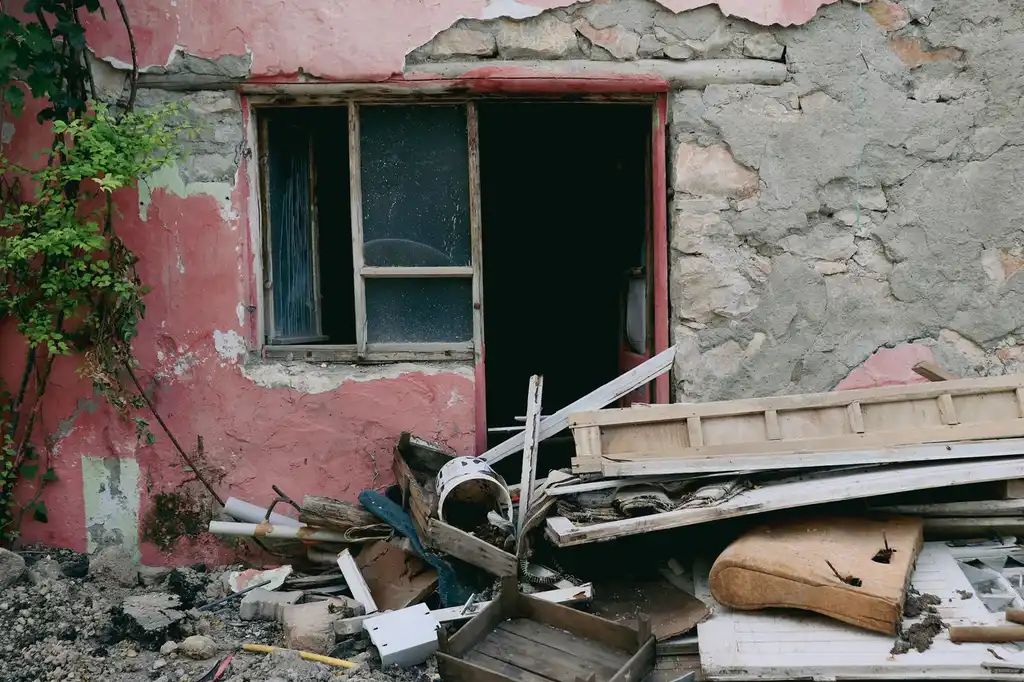
A pipe bursts in an upstairs bathroom and water runs through the ceiling into the kitchen below.
We extract water from both floors, remove saturated drywall and insulation, and dry the framing. We set up containment to keep dust and debris out of the rest of the house.
Outcome: The ceiling and kitchen are repaired and repainted. Moisture readings confirm the structure is dry before we close the walls.
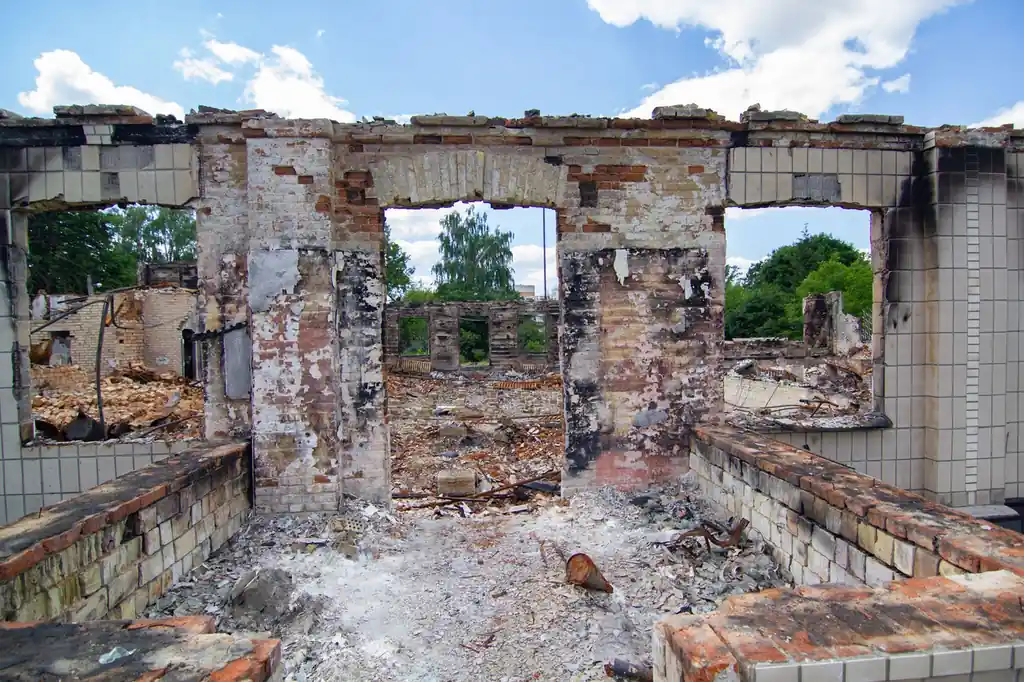
A sump pump fails during a spring storm and the basement floods with 3 inches of water.
We pump out the standing water, extract from the concrete floor and any carpet, and run dehumidifiers and air movers. We also replace the failed sump pump.
Outcome: The basement is dry in 4 days. No mold growth. The new sump pump is tested and ready for the next storm.
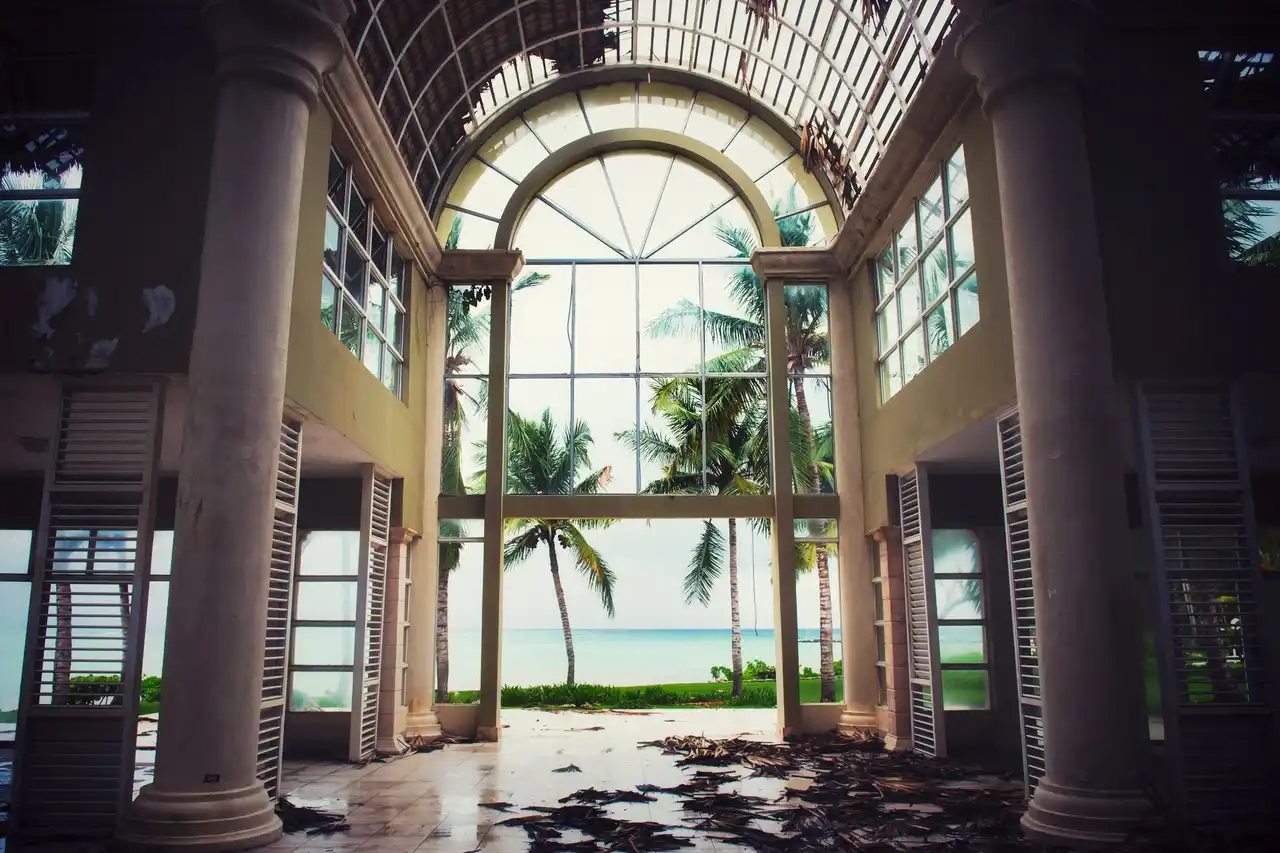
A washing machine supply line leaks overnight and soaks the laundry room and hallway carpet.
We extract water from the carpet and padding, then dry the subfloor. If padding is saturated, we remove and replace it. We dry the walls and baseboards.
Outcome: Carpet is dried and cleaned, or replaced if needed. The laundry room is back to normal in 3 to 5 days.
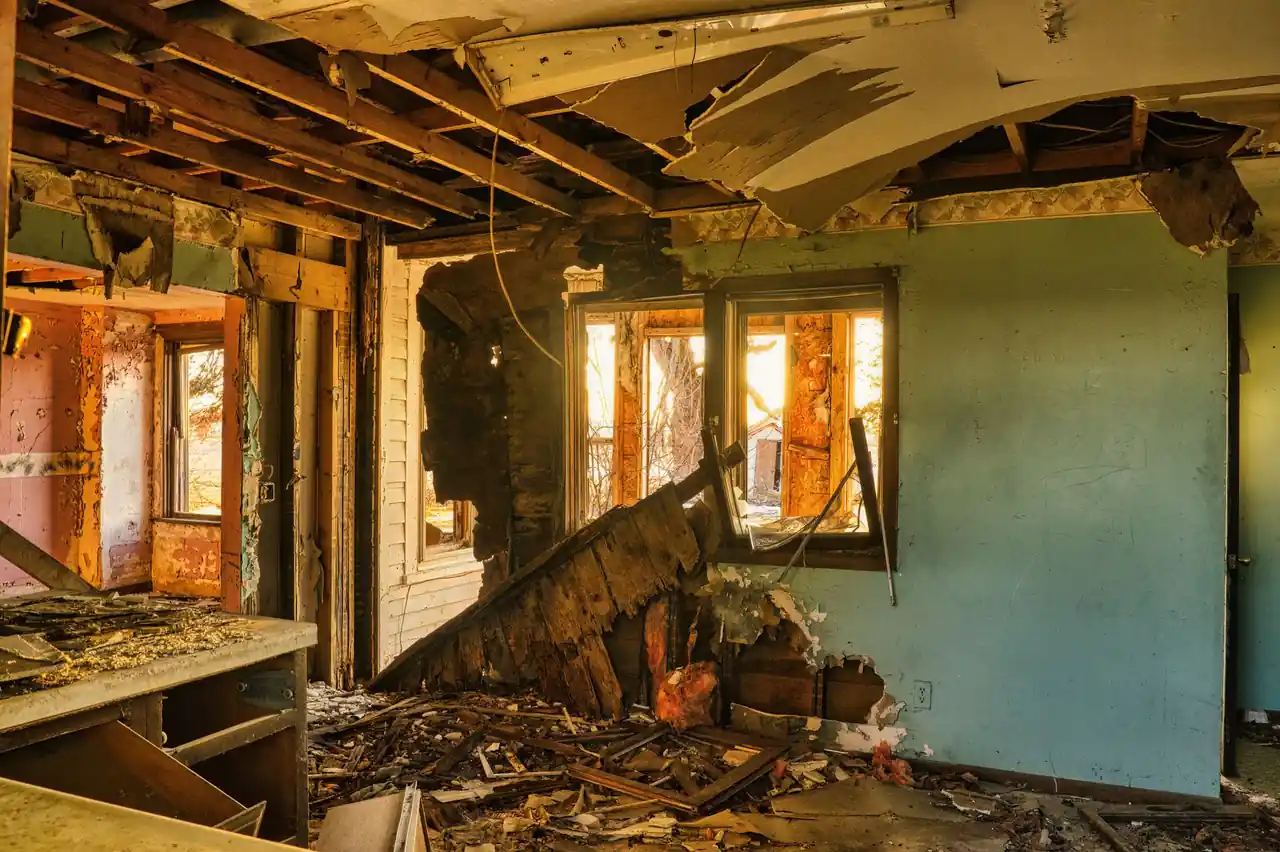
A sewage backup sends contaminated water into a basement bathroom and adjacent finished area.
We contain the area, remove contaminated materials, and sanitize with antimicrobial treatments. We dispose of waste properly and dry the structure.
Outcome: The space is sanitized and dry. New materials are installed. The area is safe for your family again.
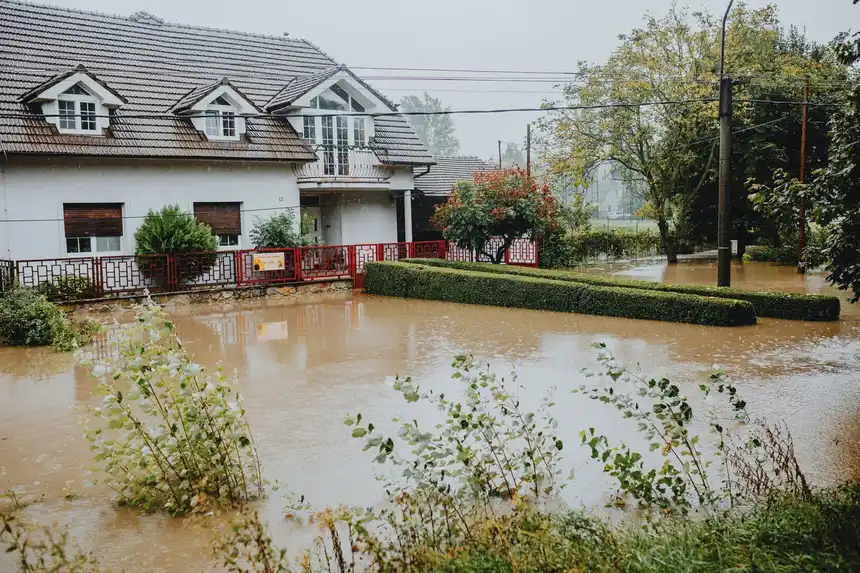
An ice dam forms on the roof and water leaks into the attic and down an exterior wall.
We extract water from the attic insulation and wall cavities, then dry with air movers and dehumidifiers. We replace wet insulation and drywall.
Outcome: The leak is stopped, materials are dry, and the wall is repaired. We also advise on ice dam prevention for next winter.
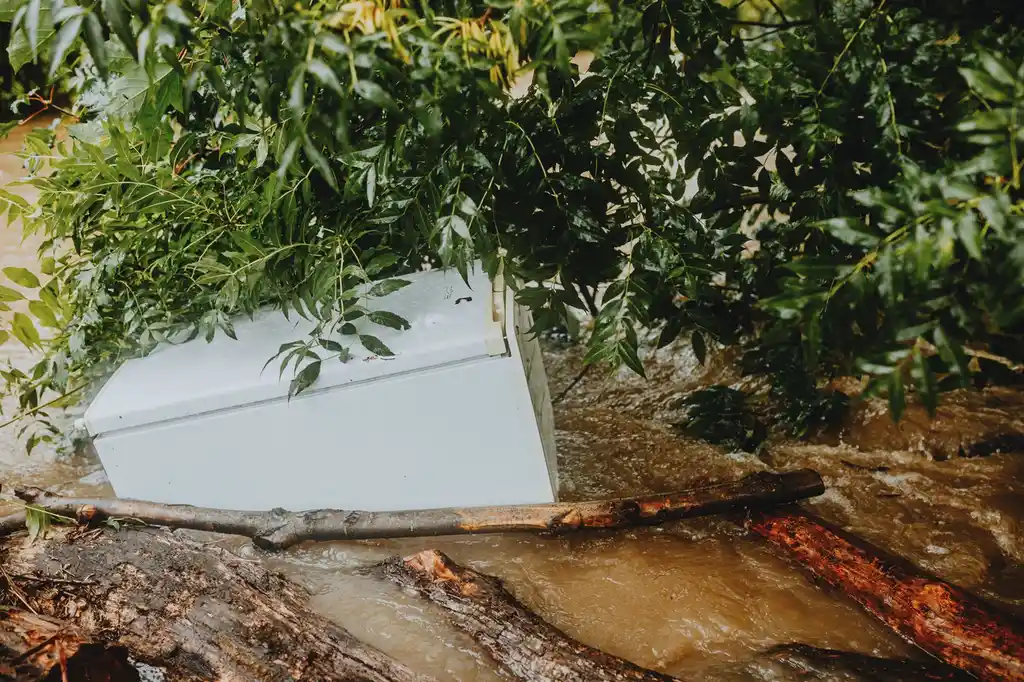
Albin winters bring hard freezes that crack supply lines and split pipe joints. Spring snowmelt and heavy rain push water against foundations, and sump pumps work overtime. Many homes here have older plumbing and finished basements, so water travels fast. We know which neighborhoods flood first and which crawlspaces stay wet.
When you call for water damage repair in Albin, we bring extraction units, dehumidifiers, and moisture meters. We also carry sump pumps and wet/dry vacuums for basement water extraction. If you need same-day water damage restoration Albin WY, we dispatch immediately. We follow Wyoming codes for waste disposal and use EPA Lead-Safe practices in pre-1978 homes.
Our local experience means we find the source faster and dry your structure correctly.
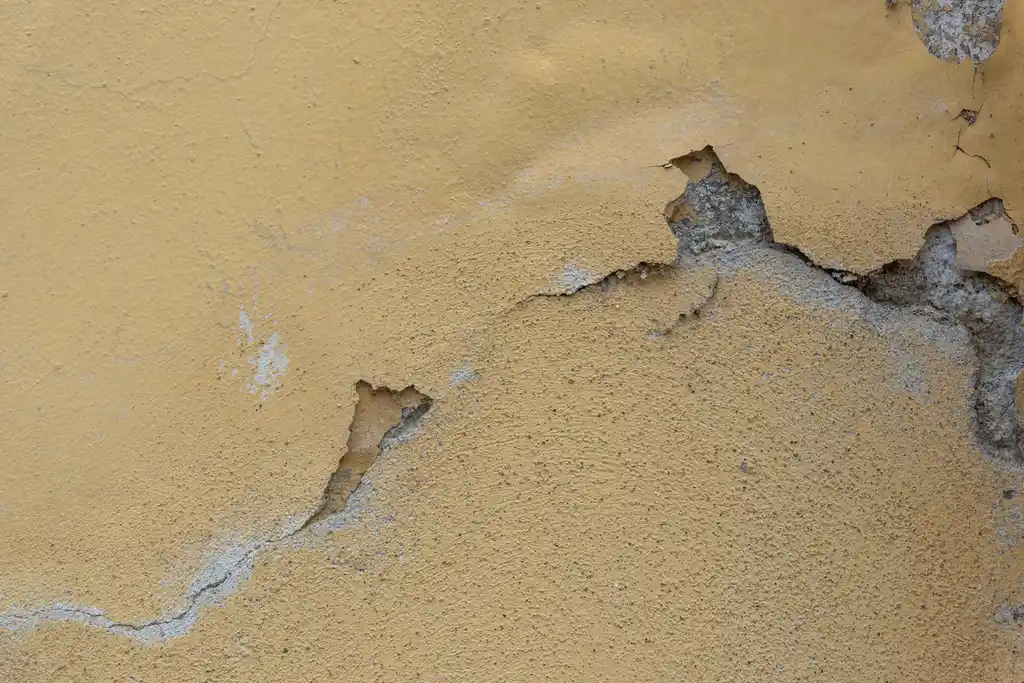
Before: A supply line burst in an upstairs bathroom and ran for hours. Water soaked the ceiling, insulation, and kitchen floor below. Moisture readings showed saturation 4 feet up the walls.
After: We extracted 40 gallons of water, removed saturated drywall and insulation, and dried the framing for 4 days. Final readings confirmed dry standard. We replaced drywall, insulation, and paint.
We advised the homeowner to insulate exposed pipes and keep the thermostat above 55°F during cold snaps. An annual plumbing inspection catches weak joints before they fail.
Before: A spring storm knocked out power, and the sump pump failed. The basement took on 3 inches of water, soaking carpet and stored boxes. Humidity was above 80%.
After: We pumped out the water, extracted from the carpet, and removed saturated padding. Dehumidifiers and air movers ran for 4 days. We replaced the sump pump and dried the concrete.
We recommended a battery backup sump pump and a yearly test before spring. Keeping gutters clear also reduces water against the foundation.
Before: A blocked sewer line sent contaminated water into a basement bathroom and hallway. The area smelled and was unsafe for the family. Carpet and drywall were saturated.
After: We contained the area, removed contaminated materials, and sanitized with antimicrobial treatments. We disposed of waste properly and dried the structure. New drywall and flooring were installed.
We suggested a yearly sewer line inspection and avoiding flushing wipes or grease. A backwater valve can prevent future backups.
From burst pipes to basement flooding, we handle the water damage calls that disrupt Albin homes. Here are the most common problems we solve and what happens if they are ignored.
Dry structure, documented process, repaired damage.
We arrive with truck-mounted water extraction units and portable pumps to pull standing water out of basements, crawlspaces, and living areas. Most residential jobs are extracted within 2 to 4 hours of our arrival. That speed limits how far moisture wicks into wood subflooring and wall cavities.
Every drying job gets daily moisture readings from calibrated meters and hygrometers. We log temperature, relative humidity, and material moisture content. You get a drying report that shows when your structure hit dry standard. That documentation also supports insurance claims with Xactimate-compatible line items.
We apply antimicrobial treatments to affected framing, drywall edges, and subflooring after extraction. If mold growth is already visible, we contain the area with polyethylene sheeting and remove contaminated materials. Catching it early keeps remediation scopes smaller and cheaper.
After drying, we replace water-damaged drywall, insulation, carpet padding, and trim. You do not have to chase a separate contractor. One crew handles extraction, drying, and reconstruction, which shortens the total project timeline by days.
Clear records you can keep and share.
Daily readings at set points.
Before, during, and after photos.
Written scope of work.
Final readings and walkthrough notes.
Water damage falls into three categories based on contamination. The category determines how we handle materials and disposal.
From supply lines, rain, or appliances.
From washing machines, dishwashers, or toilets.
From sewage, floodwater, or ground surface.
A list like this tells people straight away whether you cover their street. Not listed? Call and ask: it only takes a minute.
Based in Albin and covering the places around it. Pick one for local details.
We provide a written scope before work begins so you know the cost.
It includes water extraction, moisture mapping, structural drying with air movers and dehumidifiers, antimicrobial treatment, removal of damaged drywall or carpet padding, and repairs. We also document everything for your insurance claim. For water damage cleanup and restoration in Albin, Wyoming, the goal is to return your home to pre-loss condition, not just dry the floor.
Yes. That includes burst pipes, sump pump failure, sewage backup, and roof leaks. Most Albin addresses see a crew within 60 to 90 minutes. We shut off the water source if needed and start extraction immediately.
Extraction takes 1 to 3 hours. Drying typically runs 3 to 5 days, with daily moisture checks. If we remove drywall or flooring, repairs add 3 to 7 days. A typical full project finishes in 7 to 14 days. Larger jobs with sewage backup or widespread mold growth can take longer. We give you a timeline after the initial inspection.
Other services from the same team.
Water spreads fast. Every hour you wait, mold gets closer and repair costs climb. Call us now for a same-day inspection and a written scope.
We answer the phone and give you a real arrival window. Call +18664765815 or email info@waterdamagerestoration.com and tell us what flooded, when it started, and whether sewage is involved. We serve Albin, Downtown Albin, Albin Heights, and the surrounding Laramie County area. ZIP 82050 is our home base.